

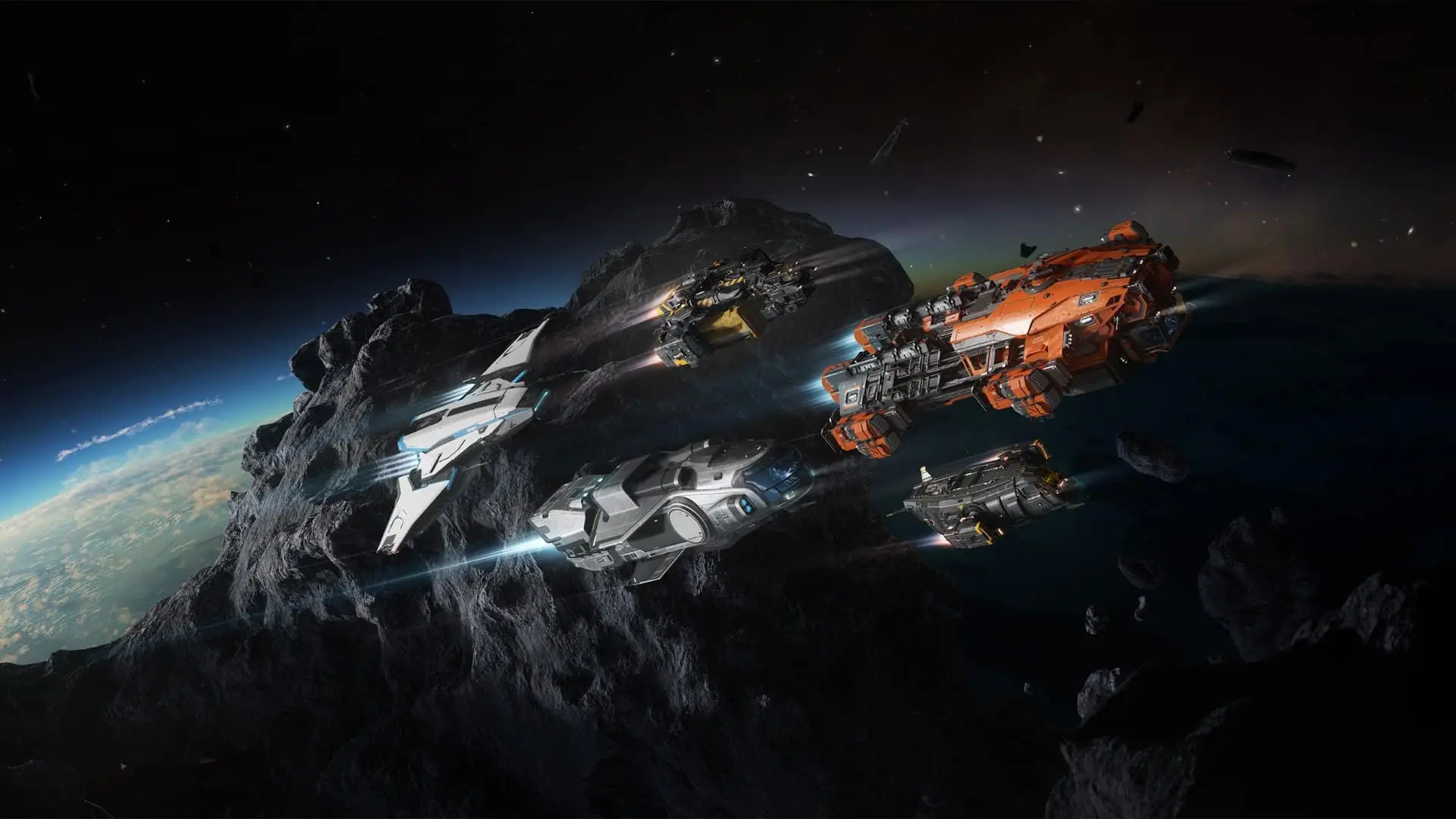
In a milestone that redefines the boundaries of crowdfunding and game development, Star Citizen has officially raised over $1 billion USD from its community. The announcement came from developer Cloud Imperium Games over the past weekend, marking a historic moment for a project that began as a modest Kickstarter campaign in 2012. The space simulation MMO, created by Chris Roberts – the visionary behind the classic 'Wing Commander' series – has now become the most successful crowdfunded entertainment project of all time.
From Kickstarter Dream to Billion-Dollar Reality
When Star Citizen first launched its crowdfunding campaign on Kickstarter in October 2012, it sought a modest $500,000. To the surprise of many, it raised over $2 million within its first month. Since then, the project has continued to attract funding through its own website, offering players the opportunity to purchase virtual spacecraft and in-game packages. Over 14 years, the cumulative contributions have snowballed into the astronomical sum announced today.
This funding model is unprecedented in the gaming industry. Traditional publishers typically provide upfront capital in exchange for control and a share of profits, often imposing strict deadlines. Crowdfunding, however, allows developers to maintain creative independence. For Roberts, that independence was essential. In an exclusive interview with Variety, he explained that the scope of Star Citizen's vision simply could not have been realized under a traditional publishing deal.
“Many people want to spend time having adventures in the virtual world of something like Star Citizen,” Roberts said. “The dream is so big that you can’t get it in any other game. It’s not something that would be feasible under the financing of a traditional big game publisher or through private equity. They typically don’t have the time or the patience.”
Chris Roberts and the Path to Innovation
Roberts is no stranger to ambitious projects. In the 1990s, his 'Wing Commander' series pushed the limits of PC gaming with cinematic storytelling and cutting-edge graphics. After a stint in the film industry, he returned to gaming with Star Citizen, determined to create the ultimate space simulation. The project combines elements of a massively multiplayer online game with a detailed single-player narrative called Squadron 42.
Drawing a parallel to filmmaker James Cameron and his 'Avatar' franchise, Roberts emphasized that community funding gave him the time and capital to develop the complex technology behind his original vision, free from typical publisher constraints. That technology includes the proprietary StarEngine, which enables seamless transitions between space and planetary surfaces, dynamic lighting, and a level of detail rarely seen in open-world games.
What the $1 Billion Means for the Industry
The $1 billion milestone is not just a number; it reflects the dedication of millions of backers who have supported the project through years of delayed releases and shifting timelines. Critics have often pointed to the prolonged development as a cautionary tale about crowdfunding risks. Yet supporters argue that the funds have been reinvested into expanding the game's scope, building a dedicated studio, and hiring top talent.
To put the achievement in perspective, no other crowdfunded project – in gaming or elsewhere – has come close to this figure. The next most successful crowdfunded game is likely Torment: Tides of Numenera, which raised around $4 million on Kickstarter. Star Citizen's crowdfunding operation has effectively become a continuous revenue stream that rivals that of live-service games from major publishers. Cloud Imperium Games now employs over 1,000 people across multiple studios worldwide.
Squadron 42: The Light at the End of the Tunnel
While the full Star Citizen MMO remains in alpha, its single-player counterpart Squadron 42 appears to be nearing completion. Roberts confirmed that development is now in its final phase. “We are at the very end, we are in the final stretch, and it is really coming together well,” he said in the same interview. The project previously missed several target dates, but Roberts now indicates a release in 2026.
Squadron 42 boasts an impressive cast of Hollywood actors, including Mark Hamill, Gary Oldman, and Henry Cavill. The game is designed to showcase the full capabilities of the StarEngine, with scripted cinematic sequences and a branching narrative. Unlike the persistent universe of Star Citizen, Squadron 42 follows a more traditional development pipeline, which Roberts says has helped keep the project on track.
The single-player campaign has been in development for nearly as long as the multiplayer component. Early demos and gameplay previews have generated significant hype, but concrete release dates have remained elusive. The 2026 target, while tentative, suggests that backers may finally see the fruits of their long-term investment within the next two years.
Technical Challenges and the Persistent Universe
Star Citizen's ambitious technical design has been a primary driver of its lengthy development. The game aims to simulate an entire galaxy with hundreds of star systems, each featuring planets, moons, space stations, and dynamic events. Server meshing – the technology that allows thousands of players to coexist in the same universe – has been a particularly difficult hurdle. Recent updates have shown progress, but a full 1.0 release remains years away.
Roberts has described Star Citizen as a “living, breathing universe” that will continue to evolve after launch. Rather than a traditional sequel model, the game is designed as a live-service platform where new content and features are added over time. Some backers view the ongoing development as part of the experience itself, enjoying the alpha builds and regular updates even before a final version is released.
Community Reactions and Comparisons
The crowdfunding community has reacted with a mix of excitement and cautious optimism. Many long-time supporters celebrated the $1 billion milestone as a validation of the project's unique financing model. Others voiced frustration about the continued absence of a release date for the core game. The discussion extends beyond gaming forums; the milestone has been covered by mainstream financial and technology outlets, highlighting the unusual scale of the phenomenon.
Comparisons to other crowdfunding campaigns are inevitable. While most projects deliver a finished product within one to three years, Star Citizen has become a marathon. However, the amount raised is orders of magnitude larger than any other crowdfunded game, suggesting that the community values the ongoing development and transparency that Cloud Imperium Games provides through regular updates and public roadmaps.
What’s Next for Star Citizen and Squadron 42
Both titles are currently announced exclusively for PC. Cloud Imperium Games has not confirmed whether console versions will follow, though Roberts has not ruled out the possibility in the long term. For now, the focus remains on getting Squadron 42 into players’ hands and continuing to build out the persistent universe for Star Citizen.
With the $1 billion milestone behind them, the developers face heightened expectations. The funds will likely be used to further refine the game's technology, expand the team, and marketing efforts for the upcoming single-player release. The next few years will be critical in determining whether Star Citizen can live up to its decade-long promise – or if it will continue to evolve as a perpetual work-in-progress, sustained by an unwavering community.
Source: PLAY3.DE - PS6, PS5 News, PSVR2 - Tests, Videos News