

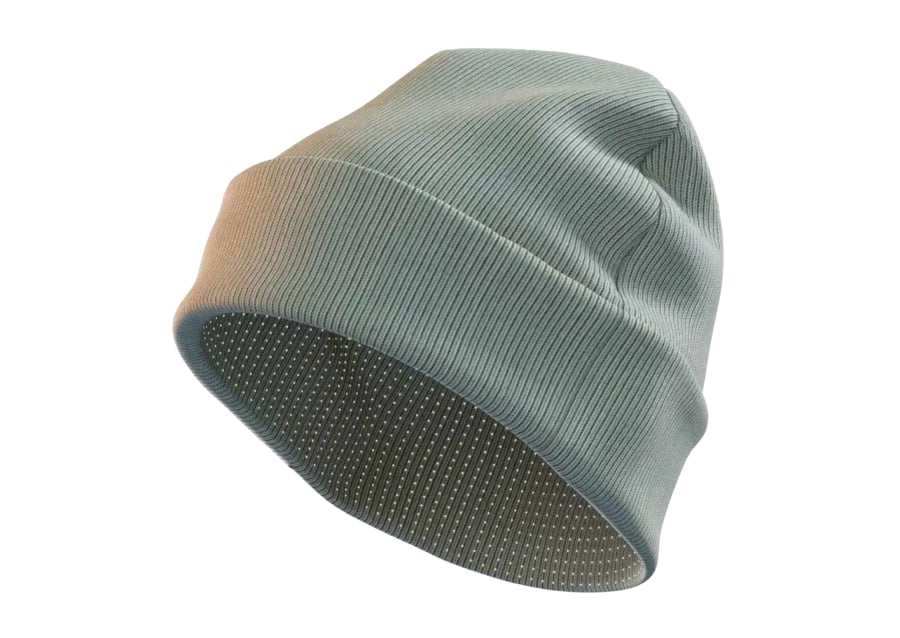
A revolutionary development in wearable technology has emerged from Silicon Valley, where the startup Sabi has launched a brain-reading beanie. This innovative device is designed to convert thoughts into text, enabling users to communicate without the need for speaking or physical interaction with the device.
Sabi's wearable boasts a noninvasive brain-computer interface that interprets internal speech through sensors integrated into the beanie. This method provides a significant alternative to traditional systems that require surgical implants, thus potentially making the technology more accessible to a broader audience.
A Wearable Alternative to Implanted Brain Chips
As reported by industry experts, Sabi's brain-reading beanie employs electroencephalography (EEG) technology to detect electrical brain signals via the scalp. Unlike systems that necessitate surgical procedures, this wearable technology allows for easier adoption and scalability.
The beanie is equipped with an impressive array of between 70,000 and 100,000 sensors, which significantly exceeds the capabilities of standard EEG devices. This extensive sensor network enhances signal accuracy, compensating for potential disruptions caused by bone and tissue interference. The initial version of the device aims to achieve a translation speed of approximately 30 words per minute, with expectations of improved performance as users become accustomed to the technology.
Vinod Khosla, a notable investor, highlighted the transformative potential of brain-computer interfaces (BCIs), stating, "The biggest and baddest application of BCI is if you can talk to your computer by thinking about it." This underscores the enormous possibilities that such technology could unlock for everyday users.
According to additional insights from industry analysts, the avoidance of surgical implants could significantly enhance the practicality of wearable BCIs for mainstream consumers.
AI Models Trained on Brain Data
Decoding thoughts into actionable commands presents a complex technical challenge, as brain signals can differ greatly among individuals and fluctuate based on focus and fatigue levels. To tackle these issues, Sabi is constructing a "brain foundation model" that is trained on extensive datasets of neural information.
Wired reports that Sabi has amassed approximately 100,000 hours of brain recordings from volunteers to refine its system. The company’s official platform outlines a comprehensive approach that combines specialized neuroimaging sensors, large-scale brain data collection, and artificial intelligence models designed to correlate brain signals with intended speech.
While the device is still in development, reports suggest that Sabi could potentially launch it by the end of the year, marking a significant milestone in the evolution of brain-computer interfaces.
Privacy, Usability, and Adoption Challenges
Despite the promising advancements, several obstacles remain before widespread consumer acceptance of brain-computer interfaces. Experts emphasize that these devices must be reliable and user-friendly, functioning effectively without complicated setups.
Neurotechnology consultant JoJo Platt emphasized the necessity for consumer devices to be ready for immediate use, stating, "They’re going to have to be ready to go out of the box." This highlights the critical importance of ease of use in ensuring consumer adoption.
Privacy concerns also loom large, as data derived from neural activity is exceptionally sensitive. Mismanagement of this information could lead to the exposure of deeply personal thoughts. Addressing these challenges will be essential for the successful rollout of wearable brain-computer platforms, which have the potential to offer seamless, hands-free computing experiences.
In summary, Sabi's brain-reading beanie stands at the forefront of wearable technology, promising to revolutionize how we interact with our devices and each other.
Source: eWEEK News