

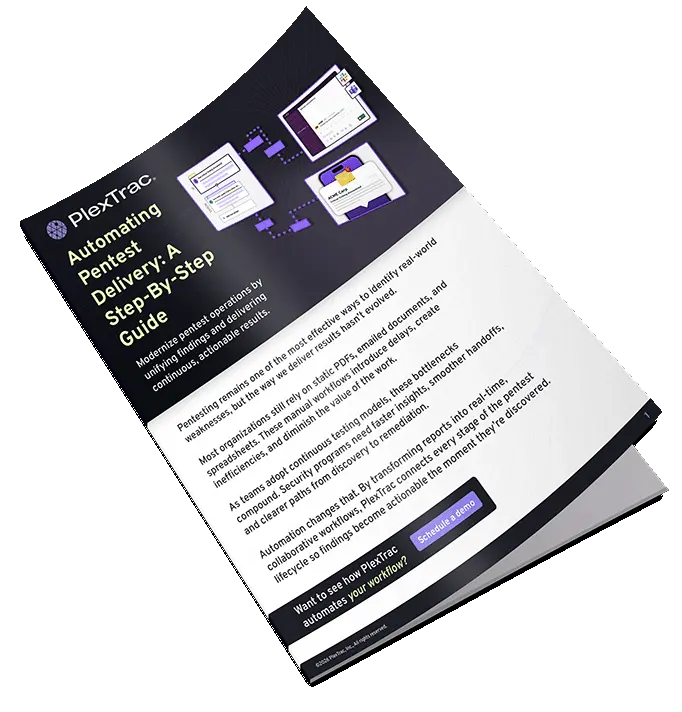
In the rapidly evolving landscape of cybersecurity, organizations face an increasingly complex array of threats. Traditional approaches to vulnerability management, which rely on periodic penetration testing and static reporting, are no longer sufficient. Continuous Threat Exposure Management (CTEM) has emerged as a paradigm shift, emphasizing ongoing visibility and proactive remediation. This quick-start guide walks through five practical steps to automate pentest delivery, a cornerstone of any CTEM program.
Understanding Continuous Threat Exposure Management
CTEM is a strategic framework developed by Gartner that integrates vulnerability management, threat intelligence, and security validation into a continuous cycle. Unlike point-in-time assessments, CTEM aims to identify, prioritize, and remediate exposures in real time. Automation is the key enabler, reducing manual overhead and accelerating the feedback loop between discovery and fix. Penetration testing, when automated through modern tools and workflows, becomes a continuous process rather than a quarterly event.
The core premise of CTEM is that attackers are constantly probing for weaknesses; defenders must match that pace. By automating pentest delivery, organizations can shift from reactive firefighting to proactive risk reduction. This method not only improves security posture but also aligns security operations with business agility.
The Evolution of Penetration Testing Delivery
Historically, penetration testing results were compiled into static PDFs or Word documents, emailed to stakeholders, and then manually tracked in spreadsheets or ticketing systems. This workflow introduced significant delays: findings could sit untouched for days or weeks, leaving critical vulnerabilities exposed. Moreover, the manual handoff between testers, security teams, and developers created opportunities for miscommunication and missed SLA deadlines.
Automation transforms this legacy model. Instead of waiting for a final report, findings are streamed in real time to a centralized platform. They can be automatically enriched with context, prioritized by risk, and routed to the appropriate remediation owners. This shift from a document-centric to a data-centric approach is at the heart of CTEM.
Step 1: Deliver Findings in Real Time
The first step to jumpstarting your CTEM journey is to eliminate the delay between vulnerability discovery and notification. Real-time delivery of findings ensures that security teams and developers are instantly aware of new exposures. This can be achieved through API integrations between pentesting tools and a central security operations platform. When a tester identifies a critical vulnerability—for example, an SQL injection or misconfigured cloud storage—the alert is pushed immediately to a dashboard, with full details and evidence.
Real-time visibility enables faster decision-making. Teams can triage issues as they emerge, rather than batching them at the end of a test. This is especially critical for high-severity flaws that could be exploited within hours. Moreover, continuous visibility supports compliance requirements by providing an audit trail of when exposures were discovered and addressed.
Step 2: Auto-Route Findings to the Right Owners and Systems
One of the biggest inefficiencies in traditional pentest delivery is manual routing—determining which team or individual should handle each finding. Automation solves this by using pre-defined rules based on asset ownership, vulnerability type, and severity. For instance, a network-level vulnerability in the corporate VPN could be automatically assigned to the network security team, while a web application flaw goes to the application security lead.
Auto-routing can also integrate with asset management databases (CMDB) and directory services to identify the correct owner without human intervention. This eliminates bottlenecks and ensures that every finding has a designated remediation owner from the moment it’s discovered. The result is a smoother, faster workflow that reduces mean time to remediation (MTTR).
Step 3: Create Remediation Tickets Automatically
Once a finding is assigned, the next logical step is to create a remediation ticket in the organization’s existing ticketing or project management system (e.g., Jira, ServiceNow). Automation can generate tickets with all relevant details: vulnerability description, affected assets, proof-of-concept screenshots, recommended fixes, and priority. This removes the burden of manual ticket creation and reduces the risk of information loss.
Automatic ticket creation also enables better tracking and accountability. Security teams can monitor the lifecycle of each vulnerability from discovery to closure, ensuring that nothing falls through the cracks. SLA compliance can be enforced by setting deadlines based on severity—for example, critical vulnerabilities must be remediated within 48 hours. Automated reminders and escalations can be triggered if tickets go stale.
Step 4: Trigger Validation and Retest Workflows
Validating that a vulnerability has been properly remediated is a critical step often skipped or delayed in manual processes. Automation enables retest workflows that are triggered automatically when a fix is applied. The pentesting platform can rescan the affected endpoint or application to confirm the vulnerability no longer exists. If the fix fails or introduces new issues, the system can reopen the ticket and notify the responsible team.
This closed-loop approach ensures that remediation is not just performed but verified. It also provides valuable metrics on the effectiveness of patches and configuration changes. Over time, pattern analysis can identify common root causes and drive preventive measures, further strengthening the security posture.
Step 5: Track Progress and SLAs Continuously
The final step is to establish continuous monitoring of progress and adherence to service level agreements (SLAs). Automated dashboards can display real-time metrics such as the number of open vs. closed findings, average time to remediate, and compliance with severity-based SLAs. These dashboards should be accessible to both security and business stakeholders to foster transparency and data-driven decisions.
Continuous tracking also supports reporting for audits and board presentations. By automating the collection and visualization of data, organizations can demonstrate the effectiveness of their CTEM program without manual effort. Trending reports show improvements over time, while heatmaps highlight areas of recurring risk.
Best Practices for Automating Pentest Delivery
To maximize the benefits of these five steps, organizations should invest in a unified platform that integrates pentesting, asset management, ticketing, and analytics. APIs and webhooks are essential for seamless data flow. Additionally, it’s important to involve stakeholders from development, operations, and security early in the design of automated workflows to ensure they align with existing processes.
Governance is another key consideration. Automated decisions must be based on accurate data; therefore, maintaining an up-to-date asset inventory and role definitions is critical. Regular reviews of routing rules and SLA thresholds will keep the system responsive to changing business needs.
Finally, training and change management are necessary to ensure teams adopt the new workflows. Automation should simplify tasks, not overwhelm users with notifications. By focusing on user experience and clear communication, organizations can drive culture change towards continuous improvement.
The Broader Context of CTEM
Beyond pentest delivery, CTEM encompasses other exposure sources such as continuous vulnerability scanning, threat intelligence feeds, and attack surface management. Automation in pentest delivery serves as a gateway to broader CTEM maturity. As organizations master these five steps, they can expand to incorporate additional data sources and automate more complex decision-making, such as risk-based prioritization using business context (e.g., asset criticality, data sensitivity).
The ultimate goal is a security program that adapts in real time to new threats, reducing the window of exposure to near zero. While achieving full CTEM maturity takes time, starting with automated pentest delivery provides immediate value and a strong foundation.
In practice, early adopters of this approach have reported reductions in MTTR by up to 70% and significant decreases in the number of overdue vulnerabilities. Security teams reclaim hours previously spent on manual coordination, allowing them to focus on strategic initiatives like threat hunting and security architecture.
Automation is not just a technical upgrade; it is a strategic enabler for modern security operations. By embracing these five steps, organizations can jumpstart their CTEM journey and build a more resilient defense against evolving cyber threats. The path from static, periodic testing to continuous, automated exposure management is clear—and the time to start is now.
Source: PlexTrac News